
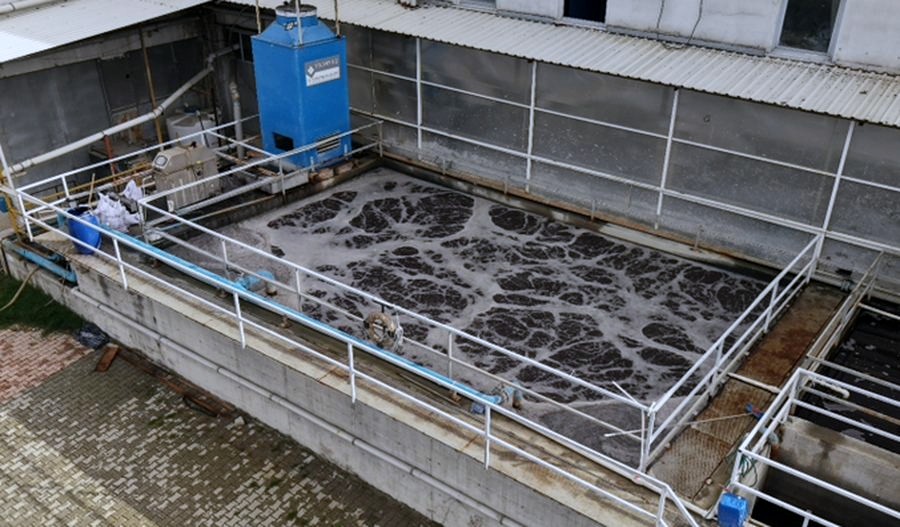
A "one-size-fits-all" approach does not work in industrial wastewater treatment. Every production process generates wastewater with a different pollutant load and characteristics — which is why choosing the right treatment technology directly determines the success of a project.
Why Isn't a Standard Solution Enough?
Wastewater from different sectors — such as textiles, food, chemicals, or metal processing — varies significantly in parameters like pH, organic load, heavy metal content, and color. A treatment process that is effective for a textile dye house's wastewater may be inadequate for a food production facility's wastewater.
What Does the Right Technology Choice Affect?
- Treatment Efficiency: A technology that doesn't match the wastewater characteristics may fail to meet discharge standards.
- Operating Cost: An overly complex system, or one mismatched to capacity, leads to unnecessary energy and chemical costs.
- Capacity and Flexibility: Production capacity can change over time; it's important for the system to be able to adapt.
What Should Be Considered in the Decision Process?
Choosing the right technology starts with characterizing the wastewater through laboratory analysis. The results determine which physical, chemical, or biological treatment methods — or combination of methods — are most suitable. Capacity, space constraints, and budget are other factors that shape this decision.
Conclusion
Success in industrial wastewater treatment begins with the right engineering analysis. Correctly reading the wastewater's characteristics and selecting the appropriate technology ensures both regulatory compliance and long-term cost efficiency.
At Ramka Engineering, we provide consultancy on this topic. For more information, see our Industrial Wastewater Treatment Systems page.