
As water resources become increasingly scarce, many businesses have started to see wastewater recovery not just as an environmental responsibility, but as a strategic opportunity. So what exactly does this opportunity mean?
What Is Recovery and How Does It Work?
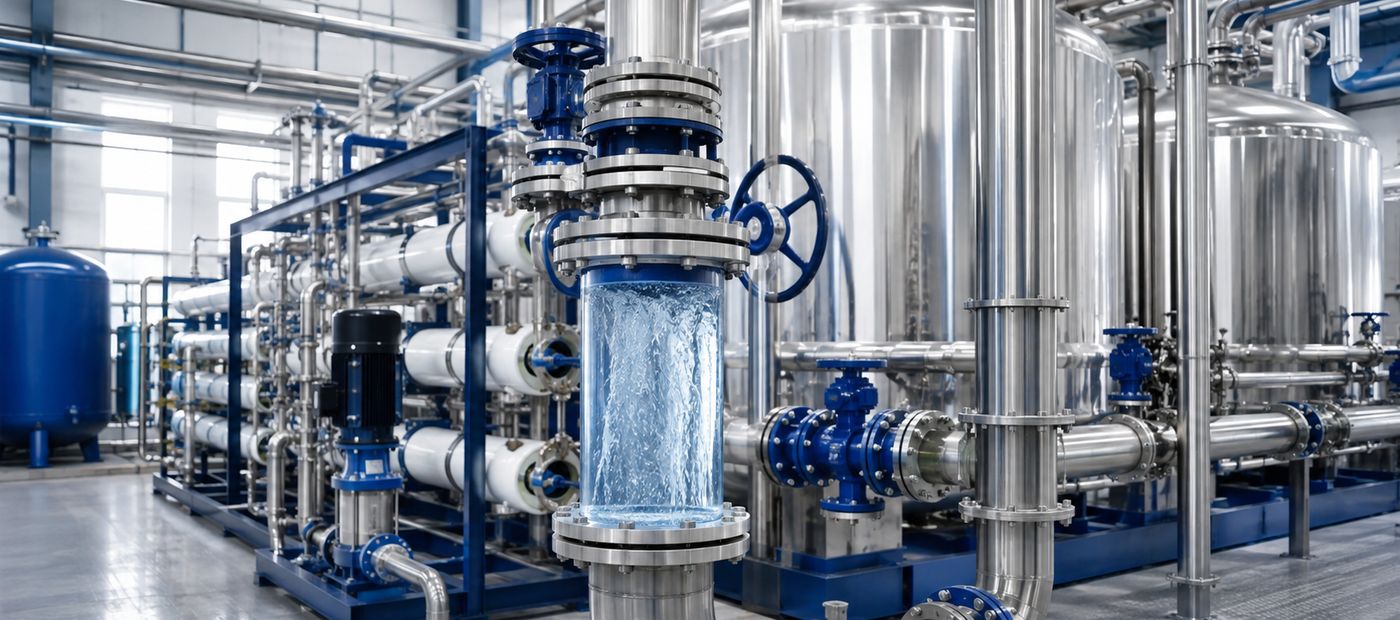
Wastewater recovery is the process of making water that has gone through treatment reusable through additional advanced treatment steps, such as filtration or membrane systems. Recovered water can be reused in production processes, cooling systems, cleaning activities, or landscape irrigation.
Advantages for Businesses
- Cost Savings: A noticeable reduction in water procurement costs.
- Reduced Discharge Load: Less water discharged means lower related costs.
- Water Security: Reduces the business's dependency during water shortages or restrictions.
- Contribution to Sustainability Reporting: A positive indicator in reports such as Higg FEM and water footprint.
Which Businesses Benefit Most?
The impact of recovery is felt most strongly in water-intensive sectors such as textiles, food, chemicals, and cosmetics. However, it's an investment worth considering for any sector where water costs or discharge load represent a significant expense.
Conclusion
When properly designed, wastewater recovery is a win-win solution both environmentally and economically. Evaluating the feasibility of a recovery system suited to your business's water use profile can provide a significant long-term advantage.
At Ramka Engineering, we provide consultancy on this topic. For more information, see our Wastewater Recovery Systems page.